
 This connection originated in part due to the shared culture of wave riding in Polynesia and South America. Indigenous populations of South America have been devising canoes and paddles to ride waves for centuries. While this form of wave riding is certainly different from the technology used by modern surfers, it suggests that surfing may have originated in riding waves on typical boats and evolved into wooden boards.
Across the ocean in Papua New Guinea, indigenous peoples have been catching waves since the beginning of time. Belly surfing, similar to today's body surfing, is a practice of catching waves that uses small wooden boards known as 'palangs' (or aptly translated as 'splinters' in English) for basic flotation. It is easy to imagine how this practice may have grown into boogie boarding or even modern hand planes. It could be, as Chris Malloy so aptly said, that the inhabitants of New Guinea are fed up with shredding.
Captain Cook from Middlesbrough, England, was the first Westerner to lead an expedition to Hawaii, and his surgeon, William Anderson, documented what we now call surfing. He described the native Hawaiians during his late 18th-century expedition as almost amphibious. These behaviors were due to their natural comfort both in and out of the water. William documented the first surfers gliding, commonly known as "wave sliding," down the faces of Waikiki using long, elongated wooden planks.
Hawaiians had already been practicing surfing for centuries by this point. The sport evolved around a series of rules and taboos that dictated almost the entire Hawaiian culture known as Kapu. Wave sliding, or later known as "the sport of kings," was practiced by all social classes in Hawaiian society. Competent surfing led to success out of the water in the form of everything from universal respect to romantic feats.
This connection originated in part due to the shared culture of wave riding in Polynesia and South America. Indigenous populations of South America have been devising canoes and paddles to ride waves for centuries. While this form of wave riding is certainly different from the technology used by modern surfers, it suggests that surfing may have originated in riding waves on typical boats and evolved into wooden boards.
Across the ocean in Papua New Guinea, indigenous peoples have been catching waves since the beginning of time. Belly surfing, similar to today's body surfing, is a practice of catching waves that uses small wooden boards known as 'palangs' (or aptly translated as 'splinters' in English) for basic flotation. It is easy to imagine how this practice may have grown into boogie boarding or even modern hand planes. It could be, as Chris Malloy so aptly said, that the inhabitants of New Guinea are fed up with shredding.
Captain Cook from Middlesbrough, England, was the first Westerner to lead an expedition to Hawaii, and his surgeon, William Anderson, documented what we now call surfing. He described the native Hawaiians during his late 18th-century expedition as almost amphibious. These behaviors were due to their natural comfort both in and out of the water. William documented the first surfers gliding, commonly known as "wave sliding," down the faces of Waikiki using long, elongated wooden planks.
Hawaiians had already been practicing surfing for centuries by this point. The sport evolved around a series of rules and taboos that dictated almost the entire Hawaiian culture known as Kapu. Wave sliding, or later known as "the sport of kings," was practiced by all social classes in Hawaiian society. Competent surfing led to success out of the water in the form of everything from universal respect to romantic feats.
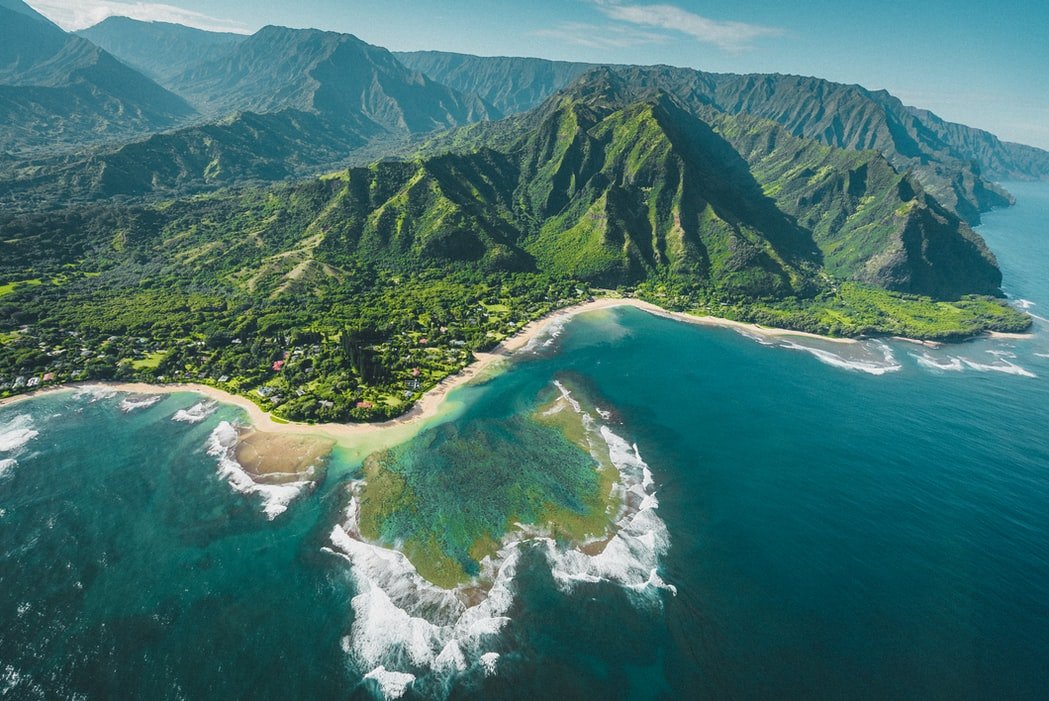 Certain breaks were reserved for elite members of the community, and variations in board size and shape were rooted in status. While by today's standards, we might assume that the guy with the 15-foot board is compensating for something, a real member of Hawaiian society often rode boards twice the size of what we see today, weighing up to 400 pounds.
Colonization, as often happens, nearly wiped out the entire indigenous society and with it the place of surfing in Hawaiian culture. European and American missionaries saw surfing as a sin and discouraged participation in its practice or ceremony. Where one might normally pray for waves with their local Kahuna after a flat spell, missionaries sought to uproot indigenous spiritual traditions. Do you think they would let a guy off the hook? Jesus was even known to cross over from time to time.
Boards carved from koa or breadfruit trees remained inactive for decades as white settlers nearly annihilated the Hawaiian people. From a population of nearly 1 million people, guns, germs, and steel took their toll, leaving fewer than 40,000 remaining by the end of the 19th century.
In 1893, after the overthrow of the native monarchy, surfing hung by a thread with Hawaiian culture. A previously spiritual practice that was governed by a fierce code of conduct somehow stayed afloat despite the multitude of missionaries seeking to sink it. With the loss of their monarch, native Hawaiians saw some recovery of their culture, and surfing began to return.
By the early 1900s, surfing had already begun to spread from Hawaii with the illustrious Duke Kahanamoku and the lesser-known George Freeth. The spread of surfing to North America and Australia resulted in many transplanted pilgrims hoping to learn to surf in Hawaii. Alexander Hume Ford was one such transplant from the United States. He quickly became a surfing champion with grand plans for surfing. Ford hoped that the spread of surfing would inspire greater colonization of the Hawaiian Islands by European white settlers. While Hawaii became a state in 1959, it remains one of the most diverse countries in the nation despite Ford's efforts.
As a result of the new way of riding around the world, surfing grew rapidly due to popular demand. With new surfers came new technological advancements with the first hollow wooden surfboard by Tom Blake in 1929 and later the innovation of the fin in 1935. Fiberglass became an excellent substitute for wood in the 1940s, and the invention of the wetsuit by Jack O'Neill increased access to surfing for aspiring surfers worldwide.
Certain breaks were reserved for elite members of the community, and variations in board size and shape were rooted in status. While by today's standards, we might assume that the guy with the 15-foot board is compensating for something, a real member of Hawaiian society often rode boards twice the size of what we see today, weighing up to 400 pounds.
Colonization, as often happens, nearly wiped out the entire indigenous society and with it the place of surfing in Hawaiian culture. European and American missionaries saw surfing as a sin and discouraged participation in its practice or ceremony. Where one might normally pray for waves with their local Kahuna after a flat spell, missionaries sought to uproot indigenous spiritual traditions. Do you think they would let a guy off the hook? Jesus was even known to cross over from time to time.
Boards carved from koa or breadfruit trees remained inactive for decades as white settlers nearly annihilated the Hawaiian people. From a population of nearly 1 million people, guns, germs, and steel took their toll, leaving fewer than 40,000 remaining by the end of the 19th century.
In 1893, after the overthrow of the native monarchy, surfing hung by a thread with Hawaiian culture. A previously spiritual practice that was governed by a fierce code of conduct somehow stayed afloat despite the multitude of missionaries seeking to sink it. With the loss of their monarch, native Hawaiians saw some recovery of their culture, and surfing began to return.
By the early 1900s, surfing had already begun to spread from Hawaii with the illustrious Duke Kahanamoku and the lesser-known George Freeth. The spread of surfing to North America and Australia resulted in many transplanted pilgrims hoping to learn to surf in Hawaii. Alexander Hume Ford was one such transplant from the United States. He quickly became a surfing champion with grand plans for surfing. Ford hoped that the spread of surfing would inspire greater colonization of the Hawaiian Islands by European white settlers. While Hawaii became a state in 1959, it remains one of the most diverse countries in the nation despite Ford's efforts.
As a result of the new way of riding around the world, surfing grew rapidly due to popular demand. With new surfers came new technological advancements with the first hollow wooden surfboard by Tom Blake in 1929 and later the innovation of the fin in 1935. Fiberglass became an excellent substitute for wood in the 1940s, and the invention of the wetsuit by Jack O'Neill increased access to surfing for aspiring surfers worldwide.

Fast forward to the shortboard revolution of the 1960s; a whiplash-inducing cut in the trajectory of longboard surfing. The shortboard revolution was partly inspired by North Shore surfers like Gerry Lopez, soon followed by Australian surfers like Bob McTavish, Nat Young, and Ian Cairns.
Surfing continues to change and evolve as the sport spreads around the globe. In recent years, we have seen the innovation of man-made waves, such as the wave garden and Kelly Slater's Surf Ranch, 11-time world champion.
In 2021, surfing will be an official Olympic sport (all going according to plan) despite the evident postponement of 2020, a year that we would all probably like to leave behind. And despite the best efforts of the missionaries of the 1800s, surfing has become a billion-dollar industry.
But surfing has not stopped evolving. The competitive surf culture of Brazil and the emerging stars from France are beginning to leave a mark on the WSL and on the history of surfing. As the next generation of competitive surfers pushes the boundaries of what is possible in the water, we can expect to see changes in surfing in the coming decades. With new and innovative board shapes and surfing styles, we can expect to continue growing and evolving.
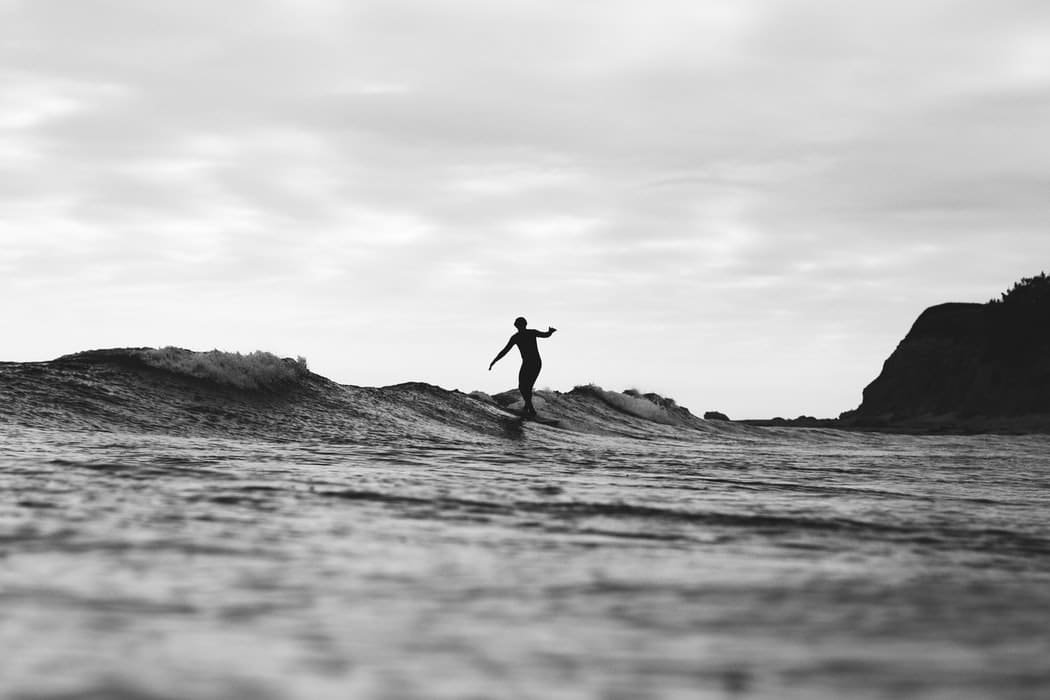 Regardless of the changes that come our way, we can still expect surfing to be a sport that embraces the love for the ocean. So, where does surfing go from here? We still do not know what the effect of climate change will be on surfing. With the possibility of rising sea levels, could we see the formation of urban breaks to surf in areas that were once abundant with ocean waves? Alternatively, we may see an increase in the push for more sustainable surf products and solutions for plastic buildup.
Regardless of the changes that come our way, we can still expect surfing to be a sport that embraces the love for the ocean. So, where does surfing go from here? We still do not know what the effect of climate change will be on surfing. With the possibility of rising sea levels, could we see the formation of urban breaks to surf in areas that were once abundant with ocean waves? Alternatively, we may see an increase in the push for more sustainable surf products and solutions for plastic buildup.