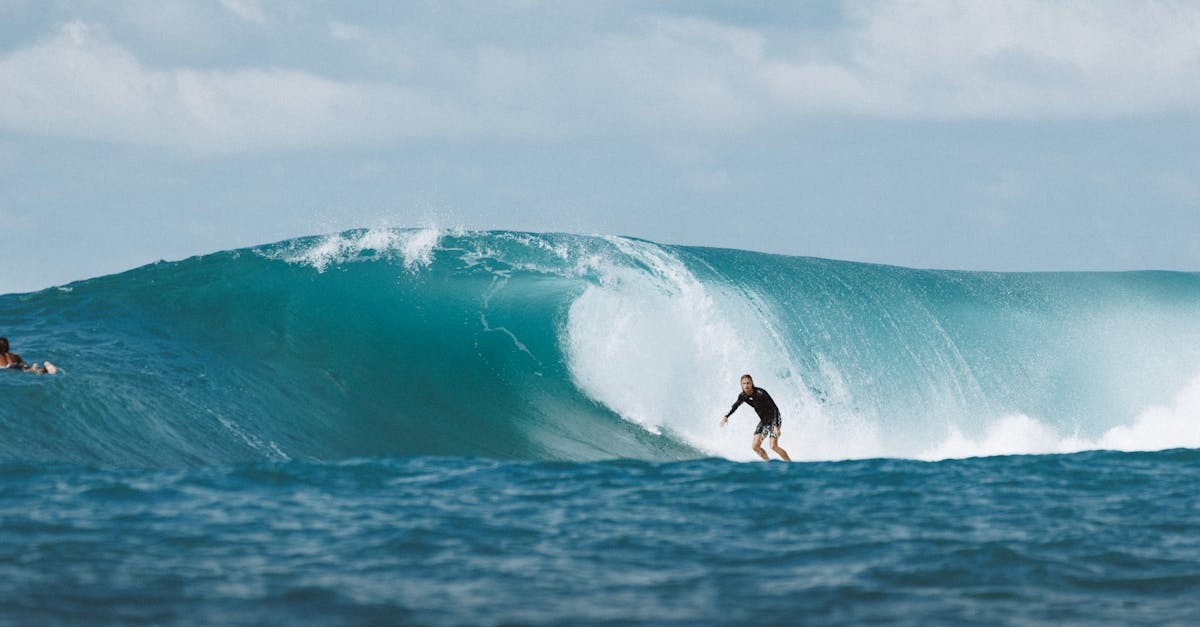
Surfing in Nias
Off the west coast of North Sumatra, Nias is one of Indonesia's true surf landmarks — home to Lagundri Bay, the right-hand point at the island's southern tip that put the country on the world surf map back in the 1970s. It's a place of pilgrimage, where a single peeling wall over coral has drawn travelling surfers for decades.
Nias surf overview
Off the west coast of North Sumatra, Nias is one of Indonesia's true surf landmarks — home to Lagundri Bay, the right-hand point at the island's southern tip that put the country on the world surf map back in the 1970s. It's a place of pilgrimage, where a single peeling wall over coral has drawn travelling surfers for decades.
But Nias is far more than one wave. The island and its surrounding clusters — the Hinakos off the west coast, the Telo (Batu) Islands to the south — hold a deep concentration of world-class reef breaks, from forgiving intermediate walls to slabbing barrels for experts only.
This is a destination that rewards committed surfers. The vibe is rootsy and remote, the infrastructure modest, and the reward is quality waves with a fraction of the crowd you'd meet in Bali. It suits intermediates ready to surf reef and advanced surfers chasing power and barrels.
Surf info for Nias
Nias sits squarely in the firing line of Indian Ocean groundswell, so the dry-season consistency is excellent — solid, frequent swell from roughly May to October, with June to September the prime window.
Almost everything is reef break. Lagundri Bay (The Point) is the headline act: a fast, hollow, near-perfect right that handles size and turns into a heaving barrel when it's big — intermediate on a small day, serious on a big one. Within the bay, Kiddies Corner is the gentle option for beginners, while Indicators offers a steeper, more advanced peak.
Beyond the south, the Hinako Islands (Bawa, Asu, Hinako Rights) and the Telo group deliver everything from playful intermediate walls to heavy slabs like The Machine and GTs.
Most surfers base themselves at Lagundri Bay, where simple losmen line the point. For the outer islands you'll need a boat charter, a surf camp, or a dedicated boat trip. Bring a step-up and reliable reef boots.
Surf spots in Nias
 Intermediate
 Lagundri Bay / The Point
 Advanced
 Indicators
 Beginner
 Kiddies Corner
 Advanced
 The Machine
 Advanced
 Rockstar
 Intermediate
 Afulu
Advanced Bawa
 Intermediate
 Asu
 Advanced
 Hinako Rights
Intermediate Sirombu
 Intermediate
 Telo Island Rights
Intermediate Telo Island Lefts
Intermediate Pasti
 Intermediate
 Le-Ba
 Intermediate
 The Bubble
 Intermediate
 Monkeys
 Advanced
 GTs
 Advanced
 Nias North Point
Intermediate Lafau
Intermediate Hilisataro
Compare Nias surf spots
Level, wave type, best season, crowd and tide at a glance — find the break that fits your ability and trip dates.
| Spot | Level | Wave type | Best season | Crowd | Tide |
|---|---|---|---|---|---|
| Lagundri Bay / The Point | Intermediate | Point break | June–September | Moderate | All tides |
| Indicators | Advanced | Reef break | June–September | Moderate | All tides |
| Kiddies Corner | Beginner | Reef break | June–September | Moderate | All tides |
| The Machine | Advanced | Reef break | June–September | Moderate | All tides |
| Rockstar | Advanced | Reef break | June–September | Moderate | All tides |
| Afulu | Intermediate | Reef break | June–September | Moderate | All tides |
| Bawa | Advanced | Reef break | June–September | Moderate | All tides |
| Asu | Intermediate | Reef break | June–September | Moderate | All tides |
| Hinako Rights | Advanced | Reef break | June–September | Moderate | All tides |
| Sirombu | Intermediate | Reef break | May–October | Moderate | All tides |
| Telo Island Rights | Intermediate | Reef break | May–October | Moderate | All tides |
| Telo Island Lefts | Intermediate | Reef break | May–October | Moderate | All tides |
| Pasti | Intermediate | Reef break | May–October | Moderate | All tides |
| Le-Ba | Intermediate | Reef break | May–October | Moderate | All tides |
| The Bubble | Intermediate | Reef break | May–October | Moderate | All tides |
| Monkeys | Intermediate | Reef break | May–October | Moderate | All tides |
| GTs | Advanced | Reef break | May–October | Moderate | All tides |
| Nias North Point | Advanced | Reef break | May–October | Moderate | All tides |
| Lafau | Intermediate | Reef break | May–October | Moderate | All tides |
| Hilisataro | Intermediate | Reef break | June–September | Moderate | All tides |
Getting to & around Nias
✈️ How to get there
Most surfers fly into Binaka Airport (GNS) at Gunungsitoli in the north of Nias, usually via Medan (Kualanamu, KNO) on a short domestic hop with Wings Air or similar. From Bali or Jakarta you'll connect through Medan.
From Gunungsitoli, Lagundri Bay in the south is roughly a 3–4 hour drive, so arrange a transfer or hire a car and driver in advance. Some travellers instead take the overnight ferry from Sibolga (on the Sumatra mainland) to Gunungsitoli or to Teluk Dalam, closer to Lagundri.
For the Hinako and Telo (Batu) Islands, you'll continue by local boat or join a surf camp/boat charter, which most lodges can organise.
🛵 Getting around
At Lagundri Bay everything is walkable — the losmen sit right along the point, and you can paddle out from the steps. Many guests don't need transport at all once settled.
To explore the wider island or reach the airport, hire a car with a driver; roads in Nias are improving but can be rough, narrow and slow, especially in the wet. Scooter rental is possible and handy for short hops to shops and warungs, but long cross-island rides are tiring and best avoided after dark.
For the outer reefs — the Hinakos and Telo Islands — getting around means boats. Sirombu on the west coast is the main jump-off for the Hinakos; arrange transfers through your accommodation or a surf operator.
Climate & best seasons in Nias
Nias has a tropical equatorial climate — warm and humid year-round, with water temperatures sitting around 27–29°C, so boardshorts and a rash guard are plenty (boots for the reef, not warmth).
The dry season runs roughly May to October and is the surf season: cleaner conditions, more reliable Indian Ocean groundswell, and the lightest, most favourable winds for the south-coast points. June to September is the peak, with the biggest, most consistent swell.
The wet season, around November to April, brings more rain, onshore winds and less consistent surf, though the island is far quieter. Being close to the equator, Nias can see rain in any month, often in short, heavy afternoon bursts that clear quickly.
Culture & local life
Nias has a distinct culture all its own. The Nias people (Ono Niha) have a famous heritage of megalithic stone monuments, traditional high-roofed wooden houses, and the iconic stone-jumping (fahombo) of the south. The island is predominantly Christian, unlike much of Indonesia, with churches a common sight.
Bahasa Indonesia is widely understood, alongside the local Nias language; English is spoken around the surf camps. The vibe is friendly, laid-back and welcoming, but it's a conservative, religious place — dress modestly away from the beach and ask before photographing people or ceremonies.
Food is simple and rice-based, with fresh fish, chicken and local pork featuring. Tip generously, support local warungs, and a few words of Indonesian go a long way.
Practical tips for surfers & travellers
- Cash is king: ATMs exist in Gunungsitoli and Teluk Dalam but can be unreliable, so carry enough rupiah for your whole stay at Lagundri.
- Connectivity is patchy; buy a Telkomsel SIM in Medan for the best coverage, and don't expect fast wifi.
- Pack a full first-aid kit with reef-cut supplies, antiseptic and Betadine — coral cuts are common and infect fast in the tropics.
- Bring reef boots, a helmet for heavier reefs, and a step-up board; spares and repairs are limited.
- Respect the line-up at Lagundri Point — there's a real local crew, so be patient, wait your turn and show respect.
- Take malaria precautions and use mosquito repellent, especially in the wet season.
- Travel insurance covering surfing and remote evacuation is strongly advised.
Surf camps & retreats
Stay at a surf camp near Nias
All-inclusive surf camps, coaching weeks and retreats — meals, lessons and accommodation sorted. Compare 1,500+ verified camps with reviews and instant booking.
- ✓ Free cancellation options
- ✓ Best price guarantee
- ✓ All levels, beginner to pro
We may earn a commission from bookings made through this link, at no extra cost to you.