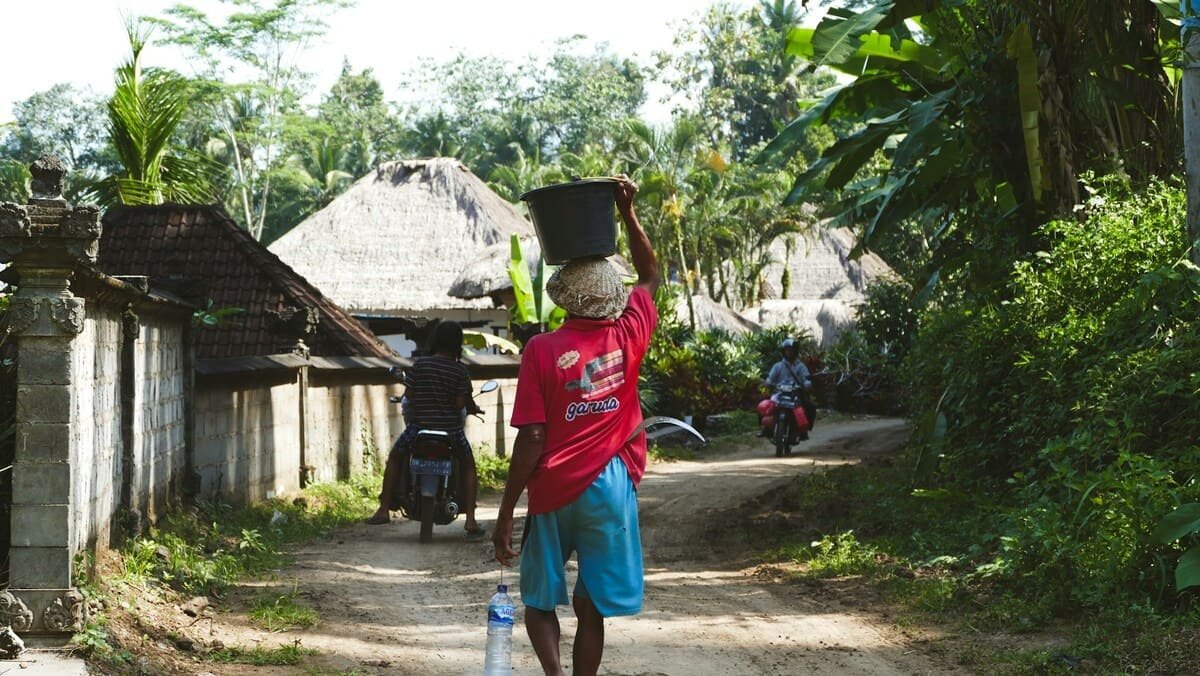
From small fishing villages to international tourist destinations, surfing has been one of the greatest drivers of social and economic change in the islands of Indonesia. What began as an isolated foreign activity in the 70s is now part of daily life in many coastal towns.
In this article, we show you how surfing impacted local culture, job opportunities, and the lifestyle of places like
Bali, Lombok, Sumbawa, and Mentawai.
🌊 Surf: The Beginning of a New Era
It all started when Australian and American surfers arrived in search of perfect waves in the 70s and 80s. At that time, many coastal towns relied on fishing and agriculture. Tourism was almost non-existent.
As legendary spots like
Uluwatu,
Desert Point or
Lakey Peak were discovered, more surfers began to arrive. But with them also came
cameras, magazines, and a new way of understanding freedom.
🏘️ Changes in Coastal Towns
✅ The Positive:
- Jobs were created in hostels, warungs, transportation, and surf schools
- Local youth learned English and new skills
- Access to technology, health, and education improved
- Multicultural and more tolerant communities emerged
⚠️ The Complex:
- Increased cost of living for locals
- Loss of traditions or displacement of original cultures
- Disorganized construction without environmental control
- Increased waste production
🏄♂️ Local Surfers: From Spectators to Protagonists
Previously, surfing was seen as "something for foreigners." Today, many Indonesians are
professional surfers, business owners, and true ambassadors of their community. Areas like Lakey Peak or Simeulue have formed entire generations of riders who live off surfing.
🌟
Fun Fact: Some of the best surf guides in Indonesia are locals who learned from childhood, watching and then competing alongside foreigners.
🧘♀️ Fusion of Cultures: Surf, Spirituality, and Tradition
In Bali, for example, Hindu rituals blend with the relaxed style of surfing. It is not uncommon to see floral offerings on the sand before a session or temples next to the most iconic spots. Respect for the land, the sea, and the energy of each place remains present in the lives of many surfers and locals.
📌 Tips for Surfing with Respect
- Learn about the local culture before arriving
- Do not negotiate aggressively with vendors or guides
- Dress respectfully when entering religious areas or villages
- Avoid overexposure on social media of lesser-known spots
- Support local businesses and surf schools
✅ Conclusion
Surfing changed Indonesia. But also, Indonesia changed surfers.
Traveling to surf here is not just about riding perfect waves: it is about living with communities that have grown, adapted, and today thrive thanks to their passion for the sea.
🌴
Traveling with awareness and respect is part of the experience of surfing in Indonesia.